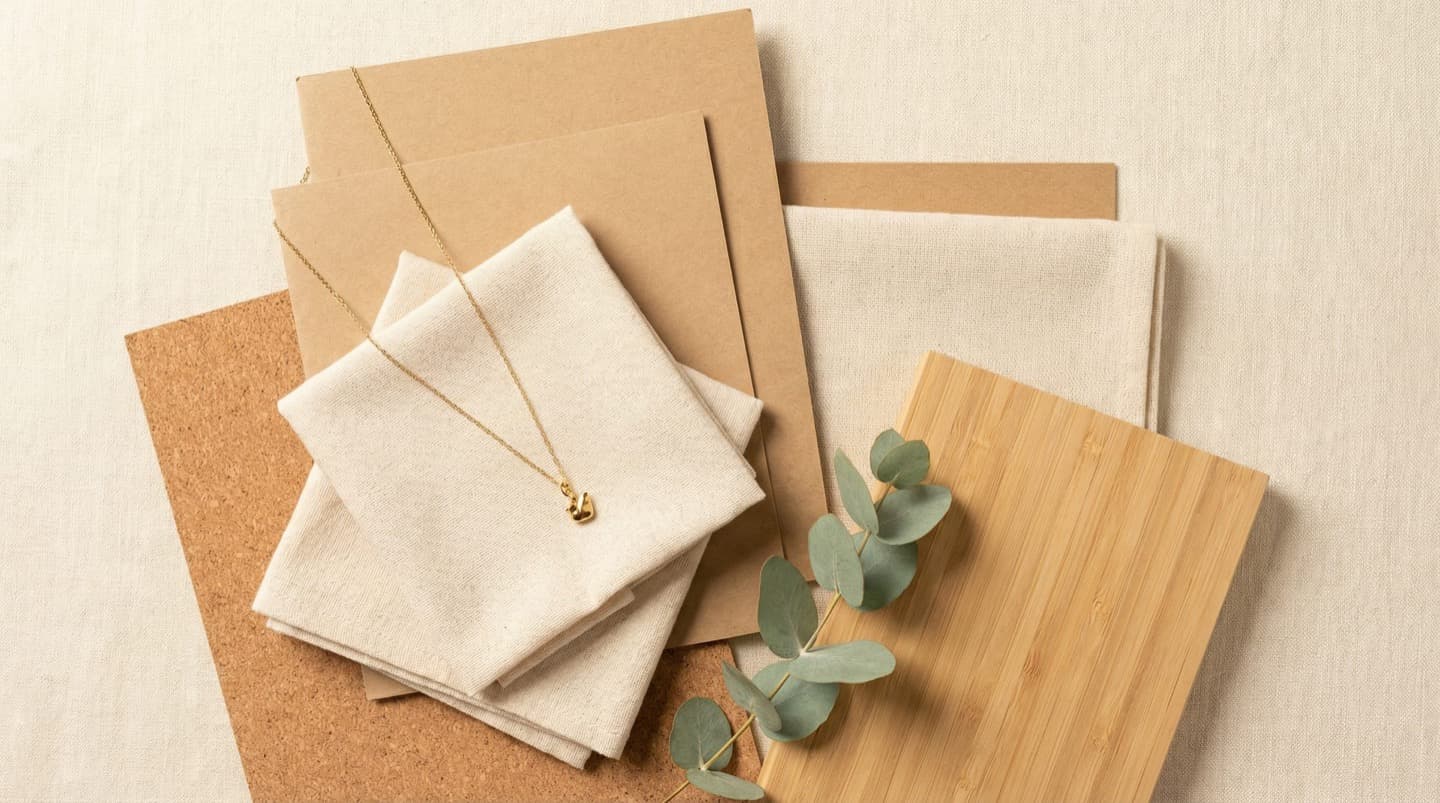
Sustainable & Eco-Friendly Jewelry Packaging
Vela Packaging offers luxury packaging with a lighter footprint — premium eco-conscious materials that don't compromise on quality or presentation.
Why Sustainable Packaging Matters Now
Sustainable jewelry packaging, often called eco-friendly jewelry packaging, is custom packaging made from recycled board, FSC-certified paper, plant-based leather alternatives, and low-impact inks and adhesives — delivering luxury presentation with a lower environmental footprint. Vela Packaging offers sustainable boxes, pouches, and bags with the same customization as conventional materials, from a 300-unit minimum order.
Sustainable materials accept the same finishes as conventional stock — foil stamping, embossing, debossing, and spot UV — and carry certifications such as FSC where applicable, with documented recycled content. There is no minimum-order or lead-time penalty for going green: sampling takes 2–3 weeks and production 3–5 weeks, from a 300-unit minimum order. Packaging can be designed around the EU's PPWR recyclability and minimisation rules.
More luxury buyers now ask what a brand's packaging is made of, and for a jewelry brand the answer shows in every unboxing and every photo a customer shares. Regulation is moving the same way in the EU and the US. The EU's packaging regulation already applies, and its recyclability and minimisation rules arrive from 2030 (summary below).
Sustainable Without Compromise
More brands are seeking packaging that aligns with their environmental values. We offer premium sustainable alternatives across our product range.
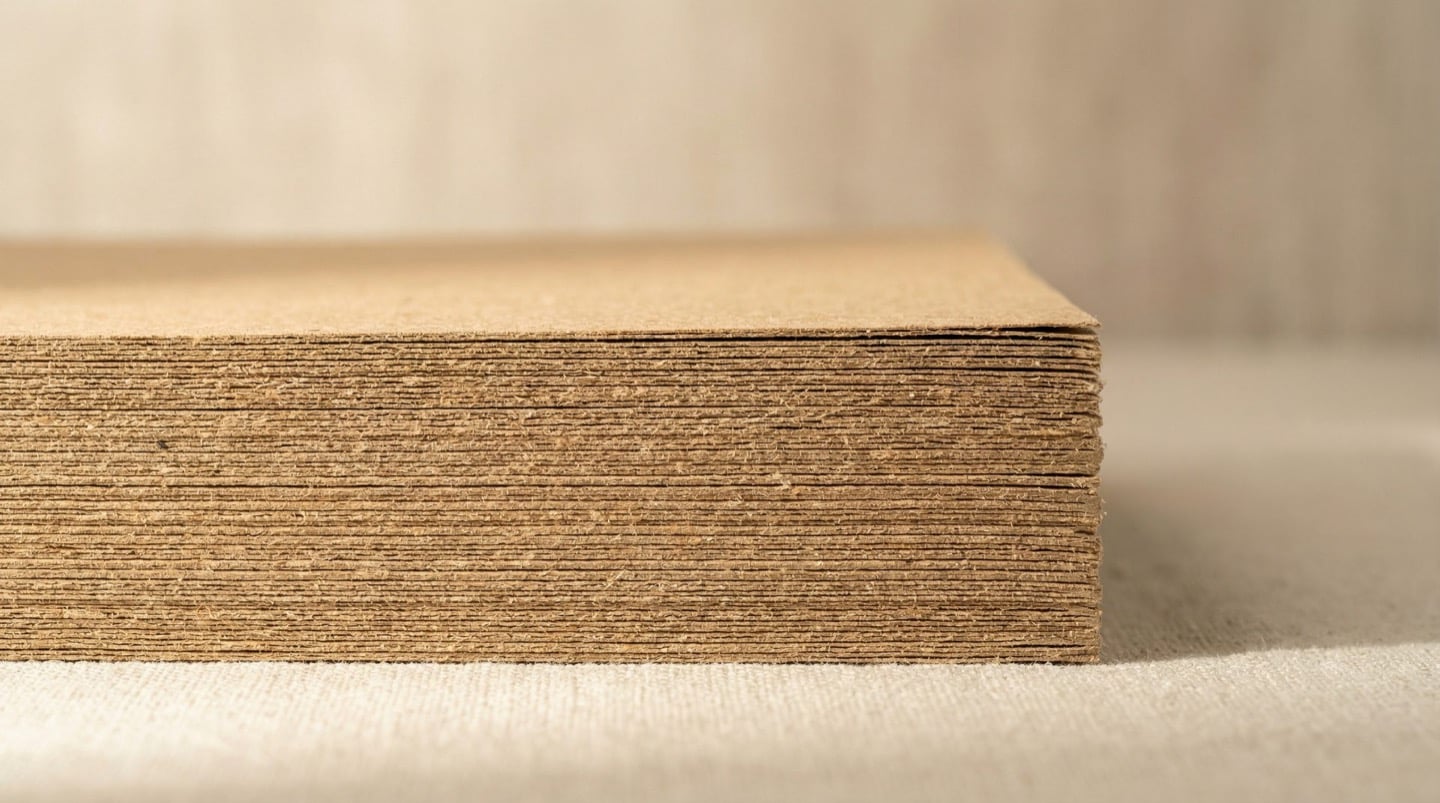
Recycled & FSC-Certified Paper
High-quality recycled papers and FSC-certified boards for boxes and shopping bags. These materials perform identically to virgin stock — with a fraction of the environmental impact.
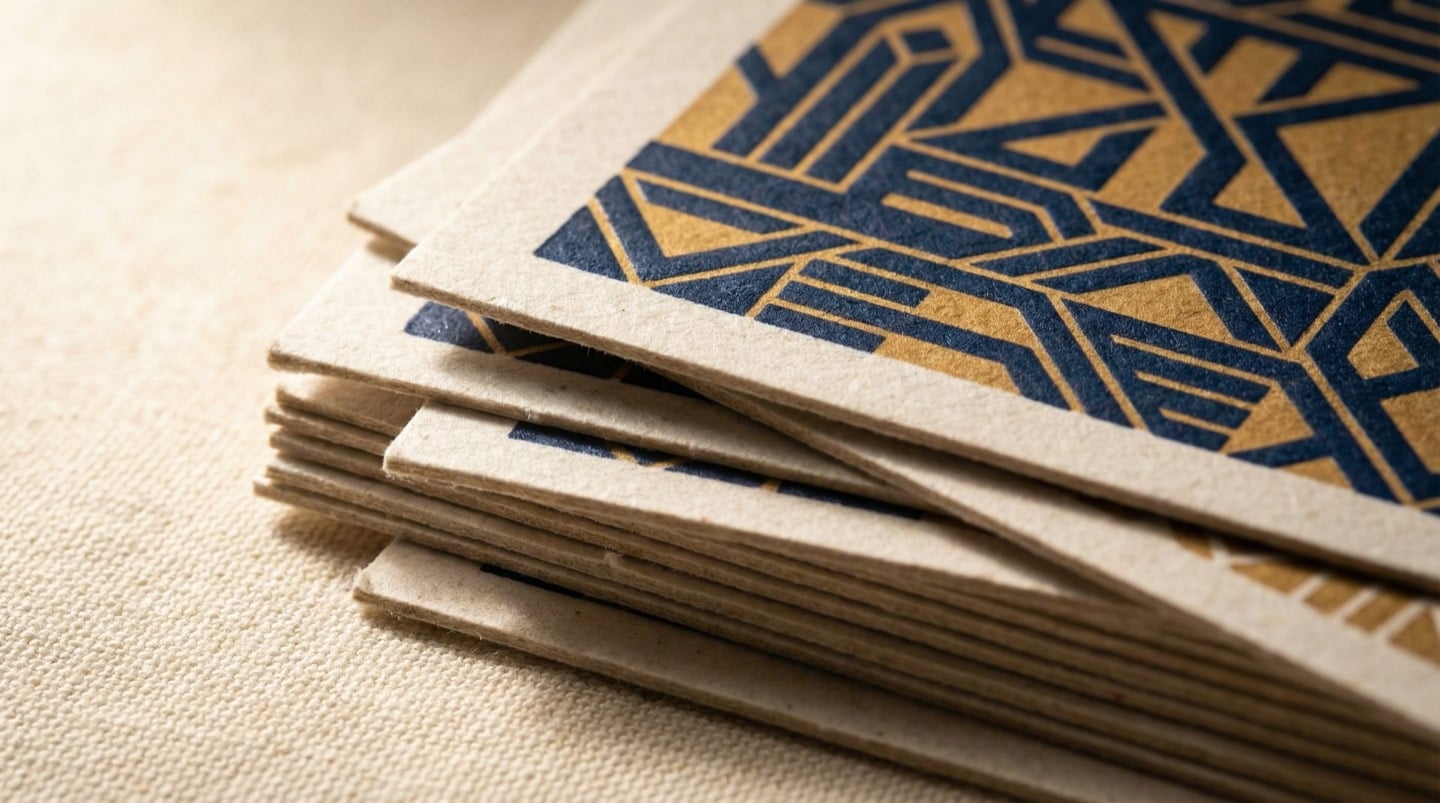
Soy & Water-Based Inks
Eco-friendly inks that produce vibrant, consistent colors for printing. Fully compatible with foil stamping and embossing techniques.
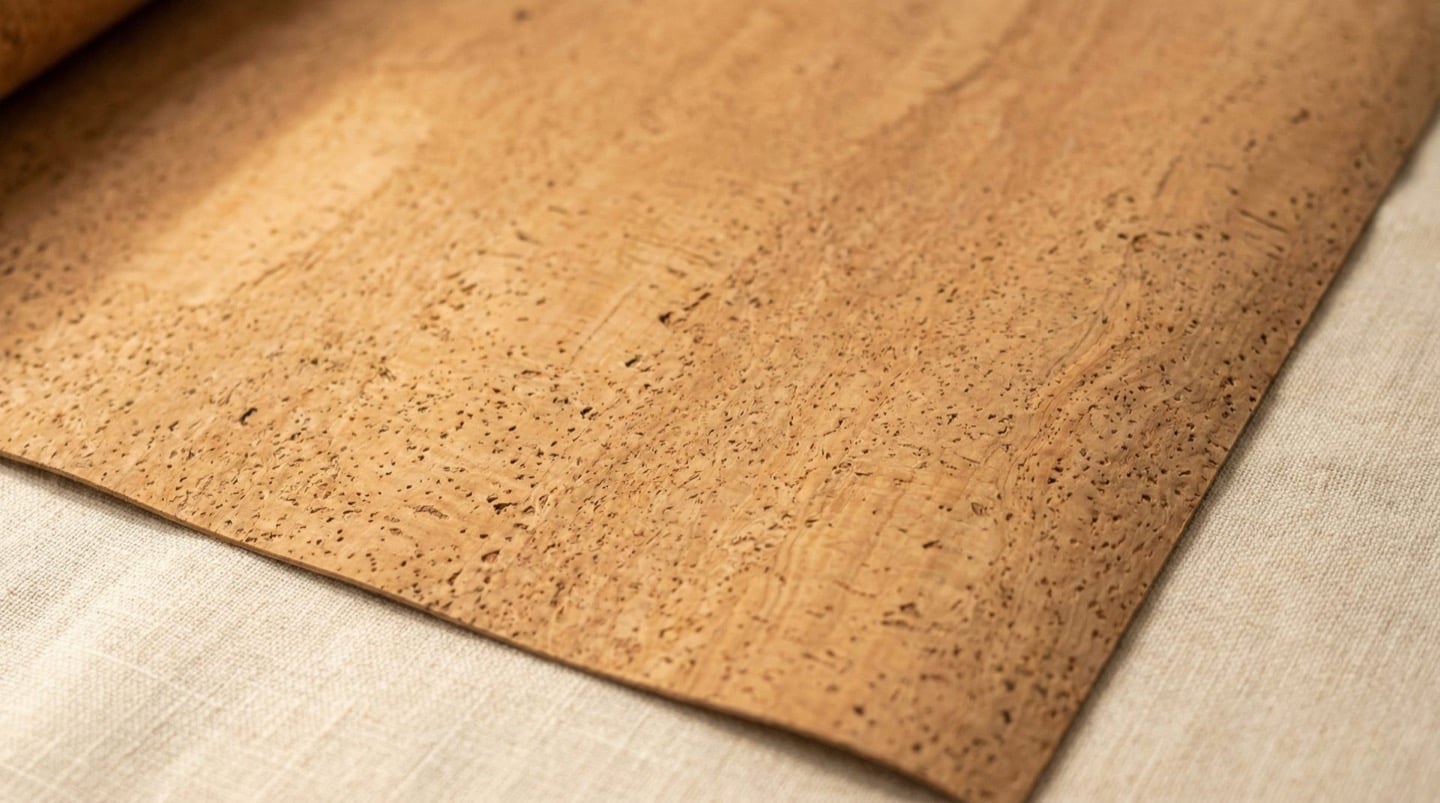
Plant-Based & Vegan Leather
Innovative alternatives to animal leather — including cork, pineapple leaf (Piñatex), and high-quality PU leather. Premium feel with no animal products.
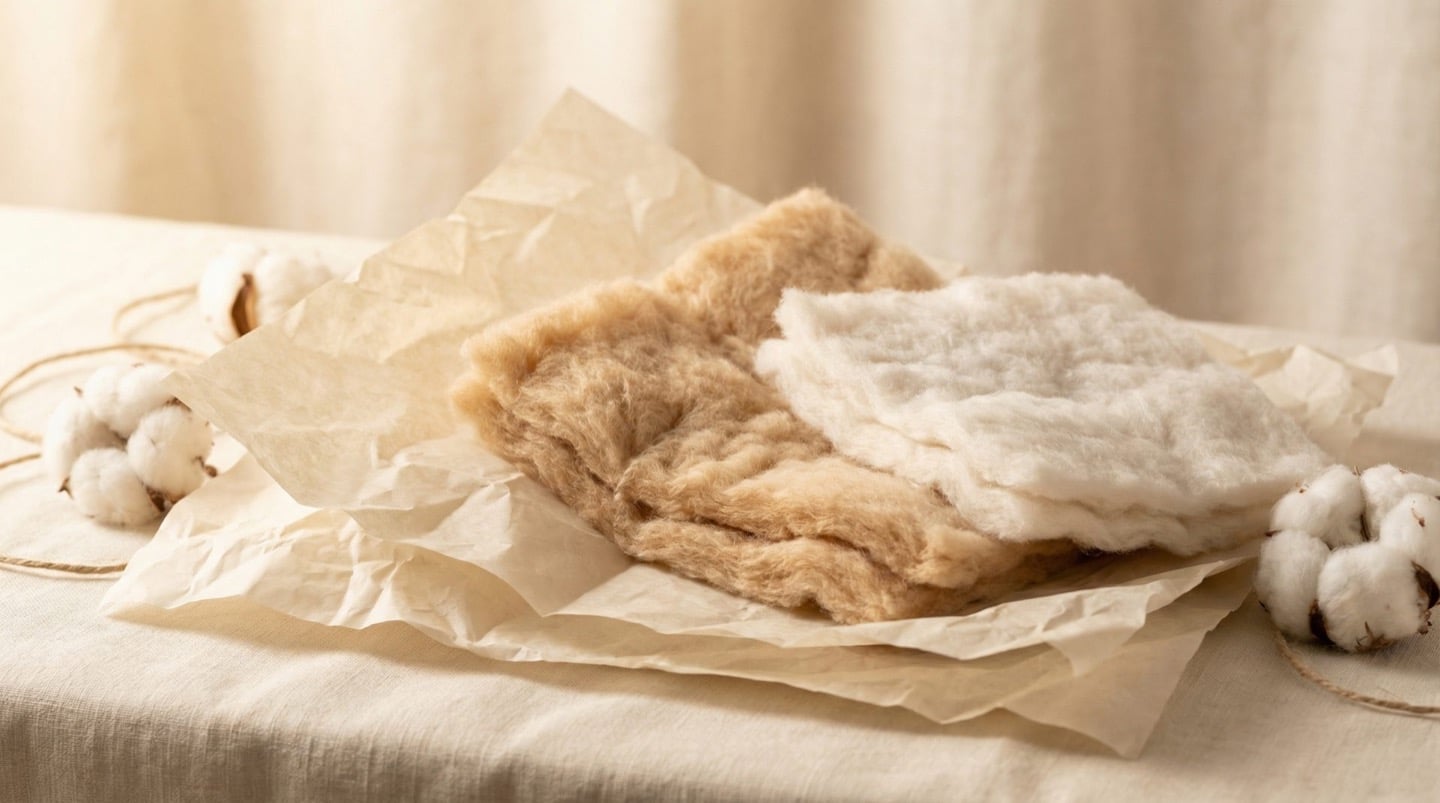
Biodegradable & Compostable
Packaging materials designed to break down naturally. Options include compostable bags, biodegradable tissue paper, and plant-based protective inserts.
Which Eco-Friendly Swaps Make the Biggest Difference?
Ranked from the change that affects the most material to the smallest.
Recycled greyboard core
Replaces: Virgin chipboard
The board core is the largest share of material in any rigid box. Recycled greyboard at 1,200–1,400 GSM gives the same rigidity and weight, and most customers cannot tell the difference by touch.
Plant-based leather
Replaces: Animal leather or PU leatherette wraps
Cork and pineapple-leaf fiber (Piñatex) wraps use plant material in place of animal hide. Cork is firm and distinctive; Piñatex has a natural grain that resembles pebbled leather.
Soy and vegetable-based inks
Replaces: Petroleum-based inks
They give the same color saturation with lower VOC emissions during printing. Foil stamping and embossing are unaffected, because neither uses liquid ink.
Water-based adhesives
Replaces: Solvent-based glues
Solvent glues release VOCs and bond mixed materials so tightly that they cannot be separated for recycling. Water-based adhesives hold paper-to-paper and paper-to-board joins just as well; fabric lamination may need a longer cure.
Molded pulp inserts
Replaces: EVA foam inserts
Made from recycled paper fiber and die-cut to hold rings, earrings and pendants as precisely as foam. The surface is more natural and textured than flocked foam.
Most brands start with recycled board and soy inks, which cover the largest volume of material with the least change to the look. FSC-certified paper wraps and the certificates for your records come next. Plant-based leather, water-based adhesives and pulp inserts follow, each proven in a sample run before production. Our recycled papers contain 30–100% post-consumer waste, documented by the supplier.
If sustainability matters to your brand, say so in your project brief, and we will recommend materials for each part of your packaging and show them to you in a sample. Comparing suppliers? Our guide to eco-friendly jewelry packaging suppliers profiles nine of them.
Which Certifications Matter for Jewelry Packaging?
Three certifications cover most of the materials in a jewelry box or pouch. Each is issued by a third party, so ask a supplier for the certificate itself and check which components it covers. A recycled board box with a foam insert and solvent glue is not a sustainable package, whatever the outer box says.
FSC
Paper, board and wood
The Forest Stewardship Council certifies that wood fiber comes from responsibly managed forests. Its labels tell you the source: FSC 100% (all from FSC-certified forests), FSC Recycled (100% recycled material) and FSC Mix (certified, recycled and controlled sources).
How the FSC labels differ →GRS
Recycled content
The Global Recycled Standard, owned by Textile Exchange, verifies recycled content and tracks it from recycled input to finished product. In jewelry packaging it matters most for recycled polyester linings and flocking.
OEKO-TEX STANDARD 100
Fabric linings and pouches
Certifies that every component of a textile, down to the thread, has been tested against a list of more than 1,000 harmful substances. It applies to velvet, suede and satin linings and to fabric pouches.
About STANDARD 100 →What Does the EU PPWR Mean for Jewelry Packaging?
The EU Packaging and Packaging Waste Regulation, Regulation (EU) 2025/40, covers all packaging placed on the EU market, jewelry boxes and pouches included. It has applied since 12 August 2026, and its main design rules take effect from 2030. If you sell in Europe, packaging you design now will still be in use when they do.
- Recyclable by design (from 2030)
- Packaging must meet design-for-recycling criteria and is graded A, B or C. Packaging below grade C cannot be placed on the market, and a recycled-at-scale test follows from 2035.
- Minimum weight and volume (from 2030)
- Packaging must be reduced to the weight and volume it needs to do its job. Features that only make a product look bigger, such as double walls, false bottoms and unnecessary layers, are not allowed.
- No more than 50% empty space (from 2030)
- Grouped, transport and e-commerce packaging may be at most 50% empty space. For a jewelry brand, that is the mailer around the gift box.
- Recycled content in plastic (from 2030)
- Minimum recycled content applies to the plastic parts of packaging, for example 35% for most plastic packaging by 2030 and 65% by 2040. Plastic parts under 5% of a pack's total weight are exempt, and paper-based boxes have no recycled-content quota.
- Material labels (from 2028)
- Packaging must carry a harmonised label showing its material composition, so customers know how to sort it.
For a jewelry brand, the safest route is a box that is mostly paper: a recycled greyboard core, a paper wrap, water-based glue and a foil-stamped or embossed logo, sized to the piece it holds and shipped in a mailer that fits. Leather-wrapped boxes and foam inserts bond materials that are hard to separate, so they need more thought once the EU publishes its detailed recyclability criteria.
This is a planning summary, not legal advice. Confirm how the rules apply to your products with your compliance adviser.
Common Questions About Sustainable Packaging
Honestly, yes — but the premium is modest. Most sustainable material upgrades add 5–15% to the packaging cost, depending on the specific materials and order volume. Many of our clients find this is more than offset by the brand value it creates: customers notice and appreciate genuine sustainability efforts, and it builds the kind of loyalty that drives repeat purchases and referrals.
Absolutely. Modern recycled papers have come a long way — they accept foil stamping, embossing, and spot UV just as well as virgin stock. Plant-based leathers offer a beautiful hand-feel with consistent quality, and eco-friendly inks produce colors that are virtually indistinguishable from petroleum-based alternatives. We'll show you samples so you can see and feel the quality before committing.
It depends on the specific materials you choose, and we always recommend accuracy over aspiration. If your box uses FSC-certified board, you can reference that certification. If your pouch is made from recycled content, we'll provide documentation with the exact percentages. We help our clients make specific, verifiable claims rather than vague green messaging — because today's consumers can tell the difference.
FSC for paper, board and wood; the Global Recycled Standard (GRS) for recycled content such as recycled polyester linings; and OEKO-TEX STANDARD 100 for fabric linings and pouches. Ask for the certificate itself and check which components it covers.
Yes. The Packaging and Packaging Waste Regulation (EU) 2025/40 covers all packaging placed on the EU market and has applied since 12 August 2026. Its main design rules start in 2030, when packaging must be recyclable by design and kept to the minimum weight and volume it needs.
No. Sustainable boxes and pouches start at the same 300-unit minimum as conventional materials, with the same 2–3 weeks of sampling and 3–5 weeks of production.
Explore sustainable options for:
Interested in Sustainable Packaging?
Let's discuss how we can create beautiful, eco-conscious packaging for your jewelry brand.