Why Seasonal Packaging Planning Starts in Spring
Seasonal jewelry packaging for Q4 2026 is not a September decision — it is an April one. With custom packaging requiring 2–3 weeks for sampling and 3–5 weeks for production, brands that wait until autumn are choosing between rush fees and compromise. Brands that plan now get exactly what they envisioned, delivered on time, at standard pricing.
This guide maps the month-by-month timeline from concept to delivery, covers the holidays that matter most for jewelry brands, and walks through how to adapt your packaging for each season without losing your core identity.
The Q4 2026 Planning Timeline: Month by Month
The timeline below assumes custom packaging with a minimum order of 300 units for boxes and pouches or 500–1,000 units for branded shopping bags. Each phase builds on the previous one — skipping a month means compressing the next.
April – May: Concept and Design Brief
This is where you are right now — and the most important window of the year.
Start by answering three questions: Which holidays will you package for? How many SKUs do you need? And will you create fully seasonal packaging or add holiday elements to your existing line?
Most brands choose one of two approaches:
- Seasonal overlay — your core packaging stays the same, with added elements like a foil-stamped holiday sleeve, a seasonal ribbon, or a festive insert card. Lower cost, faster turnaround, maintains brand consistency.
- Dedicated seasonal line — a completely new box or pouch design for the holiday season. Higher impact, higher cost, requires earlier planning.
Use this window to finalize your design brief, gather logo files in vector format, and confirm your volume estimates for each holiday.
June: Sampling and Material Selection
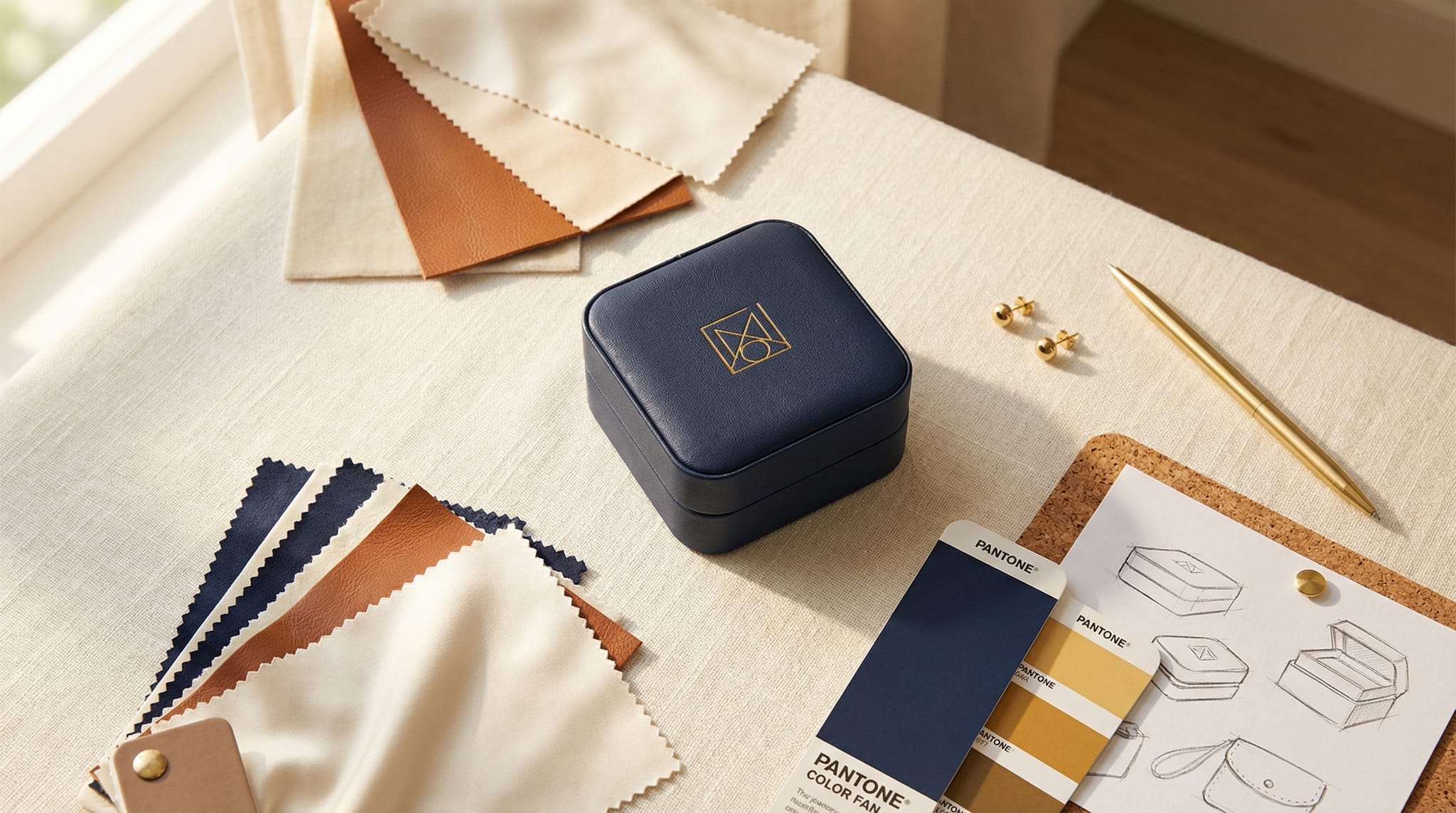
Submit your design brief and receive pre-production samples within 2–3 weeks. This is the stage where you evaluate materials, colors, finishing techniques, and interior fit.
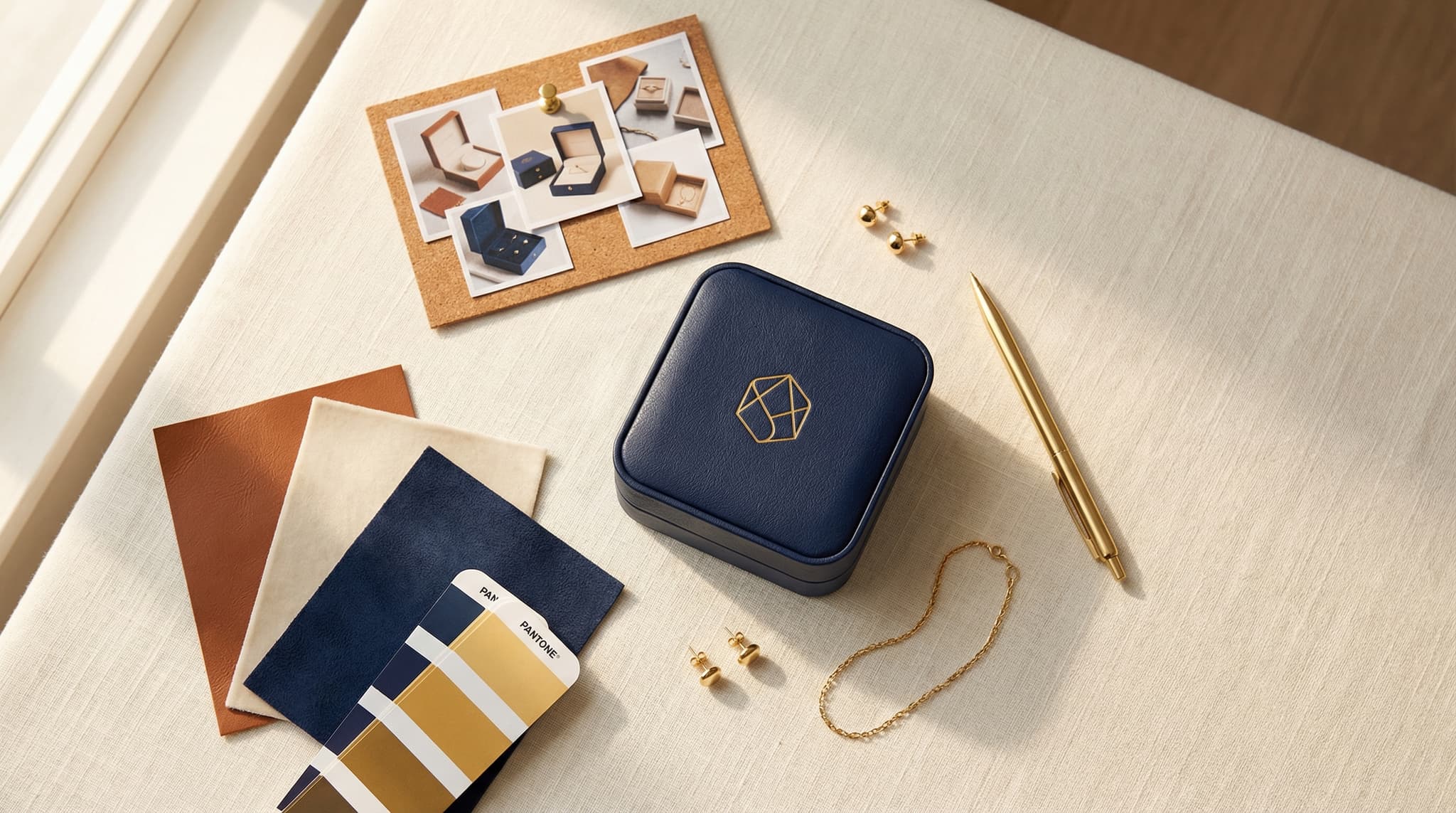
If you are introducing a new seasonal colorway — a deep jewel-toned velvet or a frosted gold paper — request material swatches before committing to a full sample. Pantone matching for custom colors adds a few days to the sampling timeline but ensures your holiday packaging aligns precisely with your campaign visuals.
For brands working with Vela Packaging for the first time, the step-by-step process page outlines exactly what to expect from consultation through delivery.
July: Sample Approval and Production Order
Review your physical samples, request any revisions, and approve the final design. Once approved, production begins — typically 3–5 weeks for standard orders.
This is also the time to confirm quantities. Holiday sales projections are more reliable in July than they were in April, so refine your numbers before placing the production order. Ordering 10–15% above your forecast avoids the risk of running out mid-season.
August – September: Production and Delivery
Your seasonal packaging arrives, inspected and ready for use. Brands that followed this timeline now have two full months of buffer before the holiday season begins — time to photograph the packaging for marketing campaigns, brief your retail teams, and set up your e-commerce fulfillment workflow.
For a detailed breakdown of what goes into pricing these orders, see our jewelry packaging cost guide.
October – December: Deployment and Sell-Through
Your seasonal packaging is in market. Focus shifts from production to execution: retail displays, gift wrapping stations, e-commerce inserts, and social media content featuring your holiday packaging.
Brands that planned early have one final advantage — the ability to place a reorder in October if sell-through is faster than expected. Reorders skip the sampling phase and go straight to production, cutting 2–3 weeks off the timeline.
Which Holidays Matter for Jewelry Packaging
Not every holiday requires a full packaging redesign. Focus your investment on the occasions that drive the most jewelry purchases for your specific audience.
Christmas and Holiday Season (November – December)
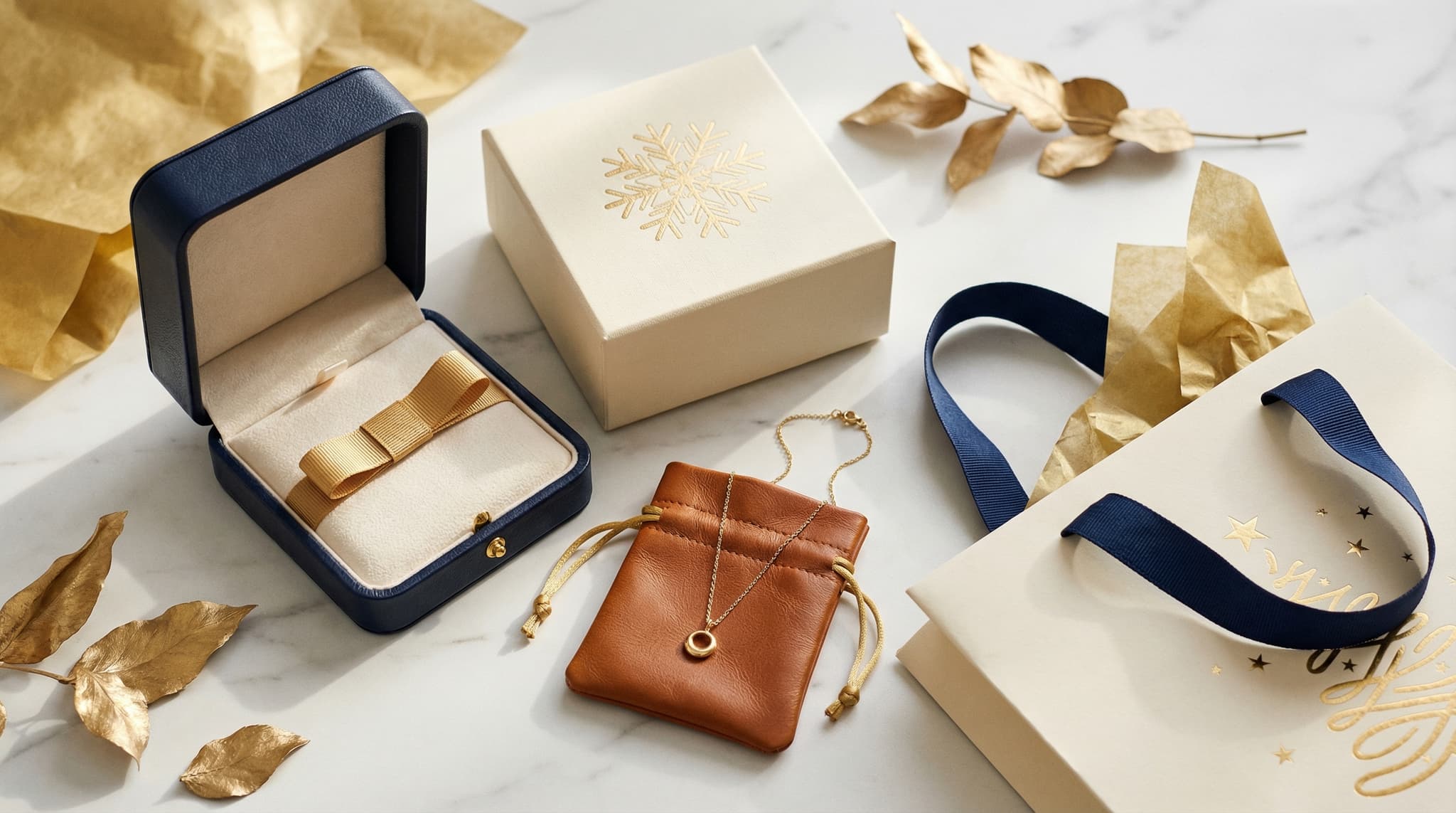
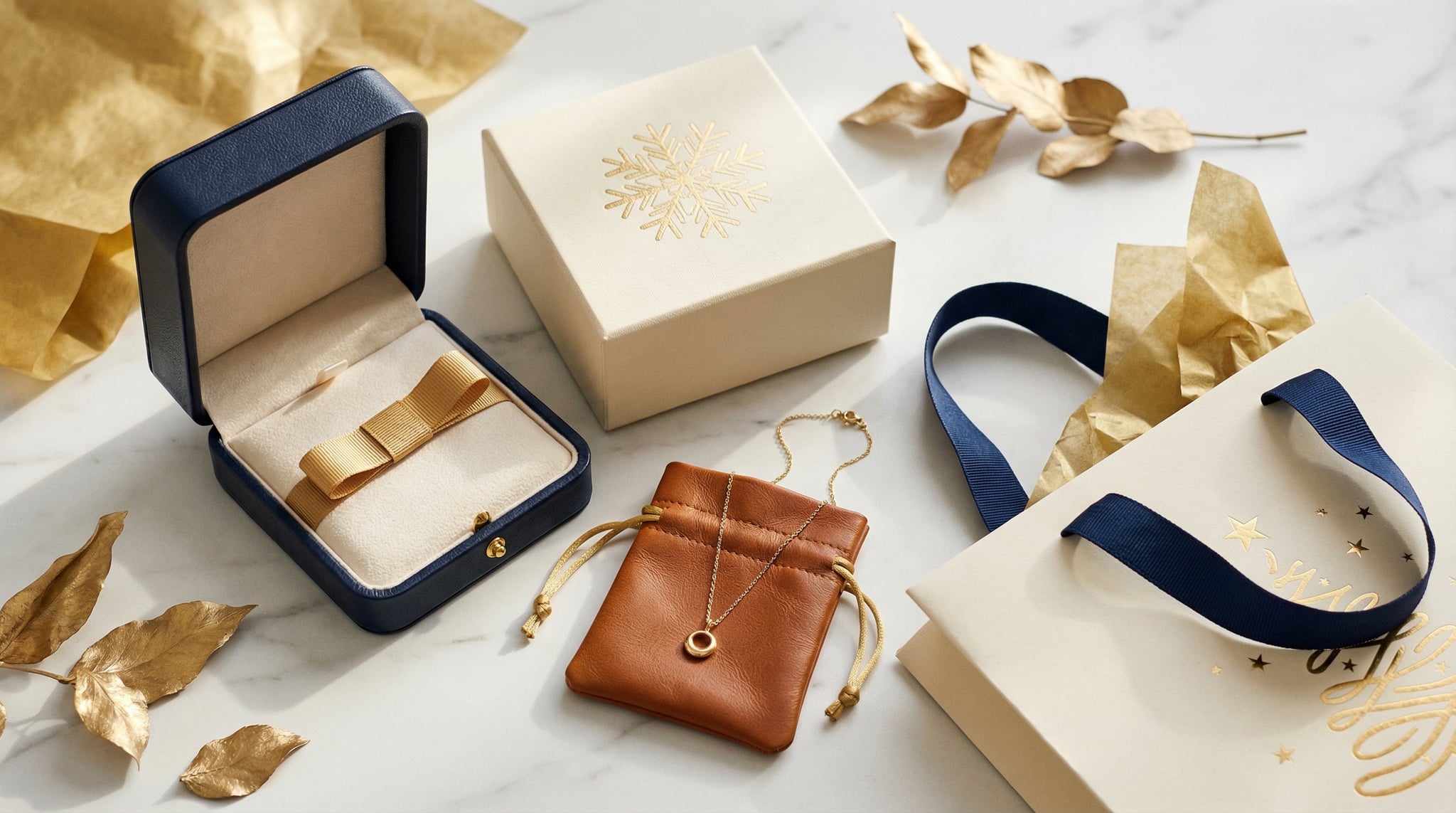
The single largest jewelry gifting occasion in Western markets. Christmas packaging benefits from warmth and tactile richness — think gold foil on navy leather, cream velvet interiors, and ribbon closures. The packaging itself becomes part of the gift.
For Christmas, consider adding a branded gift bag to complement your box. Customers buying jewelry as a gift appreciate packaging that is already presentation-ready — no additional wrapping needed.
Valentine's Day (February)
The second-largest jewelry purchasing event. Valentine's packaging leans toward warmth and intimacy rather than festive sparkle. Subtle upgrades — a red ribbon pull, a "With Love" interior inscription, or a soft-touch warm metallic sleeve — can distinguish your Valentine's offering without requiring a full redesign.
Because Valentine's Day falls in February, production must be completed by mid-January. Brands planning for both Christmas and Valentine's should include both in their Q4 production cycle to consolidate orders and reduce per-unit costs.
Mother's Day (May)
A significant gifting occasion that benefits from elegant, understated packaging. Mother's Day packaging should feel personal rather than festive — a handwritten-style "For Her" card, a delicate tissue wrap, or a coordinated pouch and box set.
Production timing for Mother's Day aligns well with a January or February order, using the same planning discipline described above.
Diwali (October – November)
For brands serving South Asian markets or customers, Diwali is a major jewelry gifting occasion. Diwali packaging benefits from rich, celebratory design — deep jewel tones, gold accents, and ornate patterns. Consider offering a Diwali-specific sleeve or outer box that can wrap your standard packaging.
Chinese New Year (January – February)
Another significant occasion for brands with East Asian customers. Red and gold are the traditional color palette, and auspicious motifs add cultural resonance. As with Diwali, a seasonal outer sleeve over your core packaging is often the most practical approach.
How to Adapt Packaging for Each Season
The most cost-effective approach to seasonal packaging is a modular system: a core box or pouch that remains consistent year-round, with interchangeable seasonal elements that change by occasion.
The Modular Approach
Your base packaging — the box construction, interior insert, and primary branding — stays the same across all seasons. Seasonal variation comes from one or more of these elements:
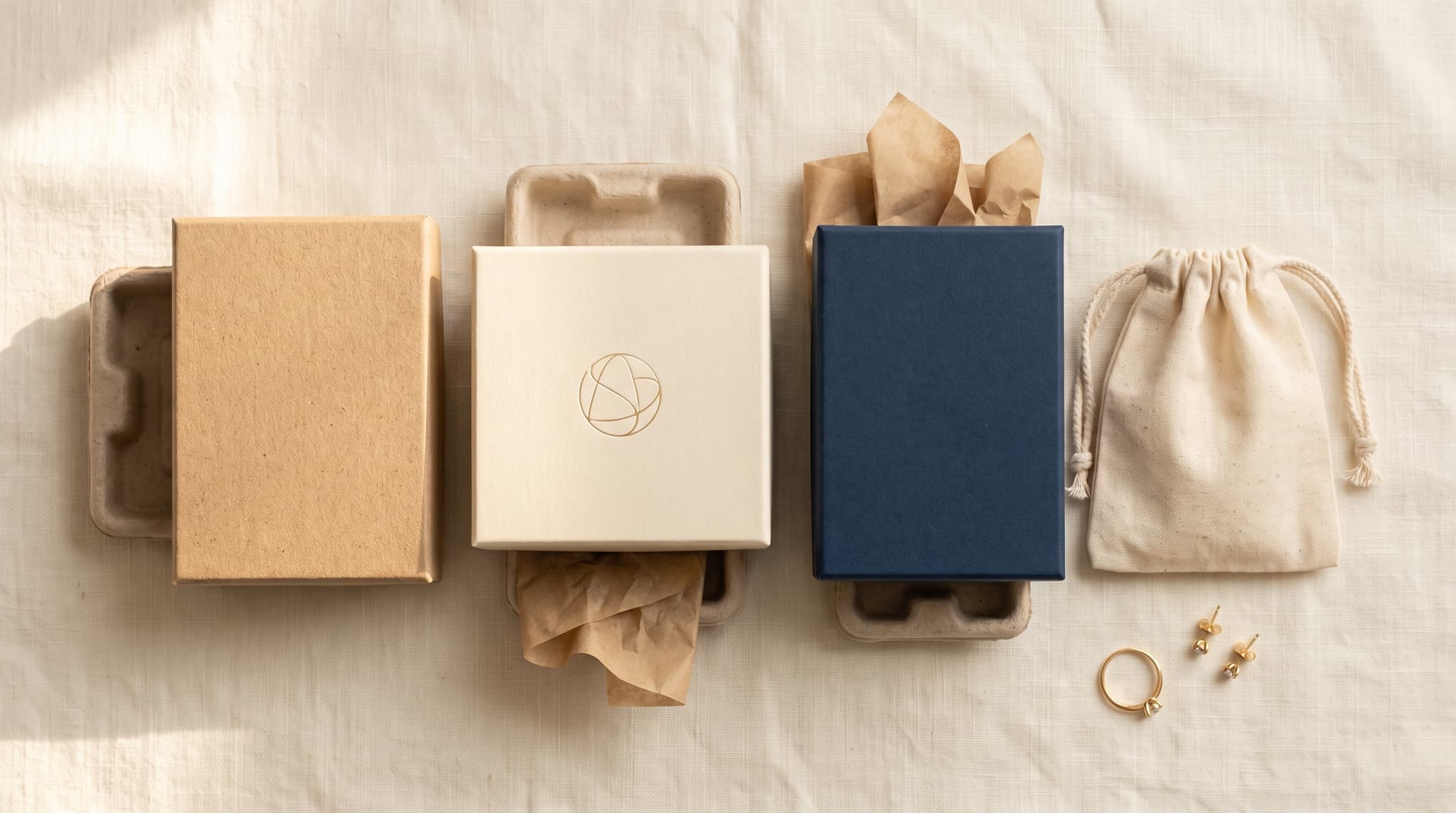
- Outer sleeve — a printed or foil-stamped paper sleeve that wraps the box. Easy to produce, easy to swap between seasons.
- Ribbon or closure accent — changing the ribbon color from your standard brand color to a seasonal shade is the simplest and lowest-cost seasonal touch.
- Insert card — a holiday greeting card, a seasonal campaign message, or a QR code linking to holiday content. Adds almost no cost per unit.
- Gift bag — a seasonal branded shopping bag in a holiday colorway turns your packaging into a complete gift-ready presentation.
Seasonal Colorways and Finishes
When choosing holiday colors, stay within your brand's extended palette rather than defaulting to generic red and green. A navy-and-gold brand can lean into gold for the holidays without adding a new color. A warm cognac brand can introduce a deeper amber that complements rather than clashes.
Finishes that read as "seasonal" without overwhelming your brand identity:
- Metallic foil — gold, copper, or champagne foil stamping on an outer sleeve
- Soft-touch lamination — adds a velvety feel that reads as premium and gift-worthy
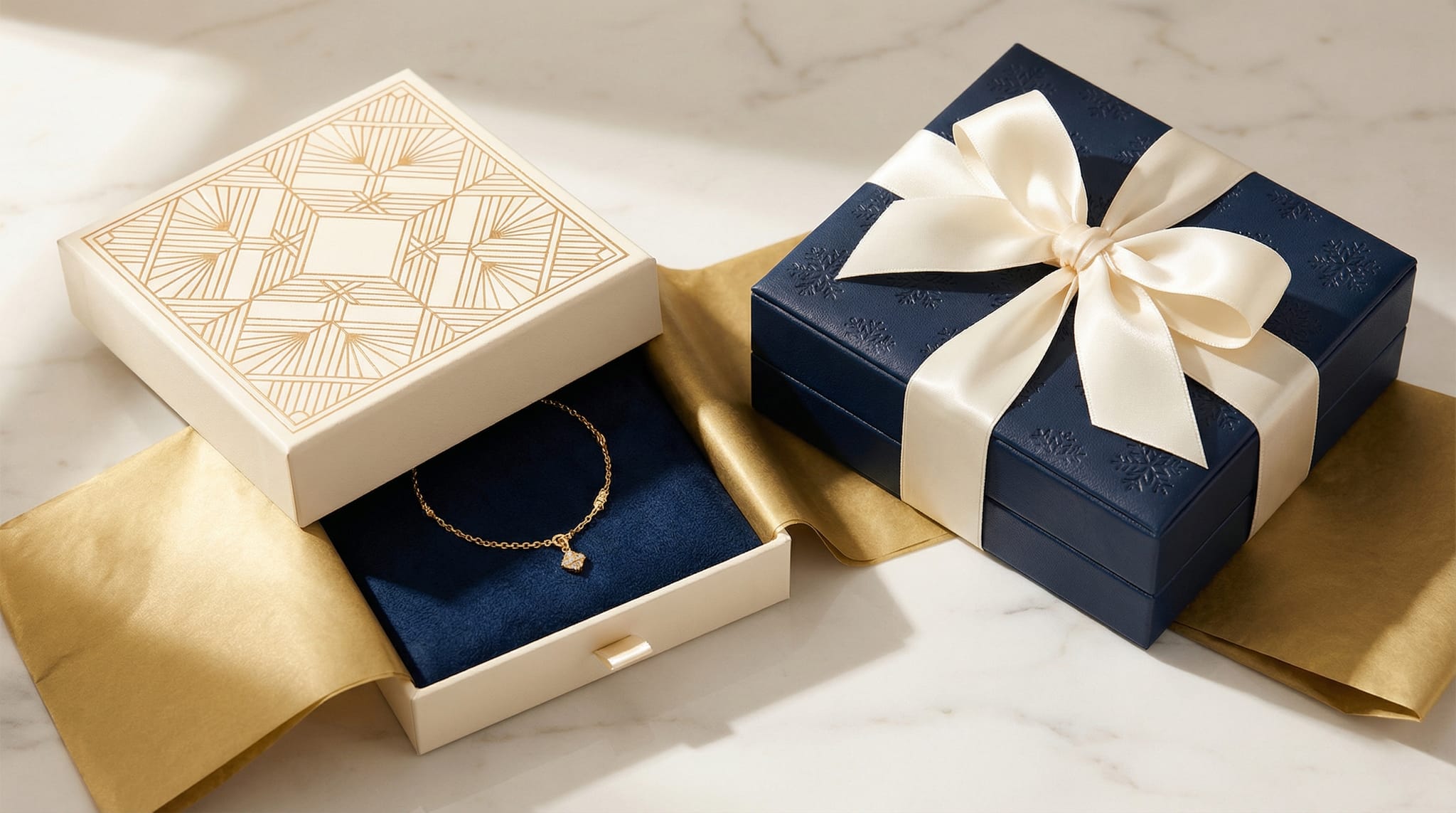
- Embossed patterns — snowflake, star, or abstract geometric textures on the box exterior
- Satin or grosgrain ribbon — a simple upgrade that photographs well and signals occasion
What Happens When You Start Too Late
Brands that begin their seasonal packaging process in September face a compressed timeline:
- Rush production fees — expedited production typically adds 15–30% to the standard order cost
- Limited material availability — popular seasonal materials (metallic papers, specialty ribbons) sell out earlier in the supply chain
- Fewer revision cycles — there is no time for a second sample if the first one needs adjustments
- Compromised quality — compressed timelines increase the risk of defects and misalignment in finishing
Starting in April eliminates all four of these risks. For a full walkthrough of the ordering process and what to prepare before requesting a quote, see our complete guide to ordering custom jewelry boxes.
Frequently Asked Questions
When should I start planning Q4 holiday jewelry packaging?
April through May is the ideal planning window for Q4 holiday packaging. With 2–3 weeks for sampling and 3–5 weeks for production, brands that finalize designs by June can have finished packaging in hand by August — well before the holiday rush begins.
What is the minimum order for seasonal jewelry packaging?
Custom seasonal jewelry boxes and pouches start at 300 units per design. Branded shopping bags require 500–1,000 units. These minimums apply whether you are ordering your core packaging or a limited holiday edition.
Can I create holiday packaging without redesigning my entire line?
Yes. The most efficient approach is to add seasonal elements to your existing packaging — a gold foil sleeve, a holiday ribbon, or a seasonal insert card. This keeps your core identity intact while signaling the occasion.
Which holidays drive the most jewelry packaging demand?
Christmas and Valentine's Day generate the highest volume for Western markets. Mother's Day, Diwali, and Chinese New Year are significant for brands serving those audiences. Planning for all relevant holidays in a single production cycle reduces costs and avoids last-minute rush fees.
How much more does seasonal packaging cost compared to standard packaging?
Seasonal packaging typically adds 10–25% to your standard per-unit cost, depending on the complexity of the holiday design. Simple additions like a foil sleeve or ribbon upgrade are at the lower end; fully custom seasonal colorways with new dies are at the higher end. For detailed pricing by packaging type, see our cost guide.
The brands that stand out during the holiday season are not the ones that scramble in October — they are the ones that planned in April. Seasonal packaging is not an afterthought; it is a strategic decision that turns a standard purchase into a memorable gift.
Start your seasonal packaging conversation now, while there is time to sample, refine, and produce exactly what your brand deserves.