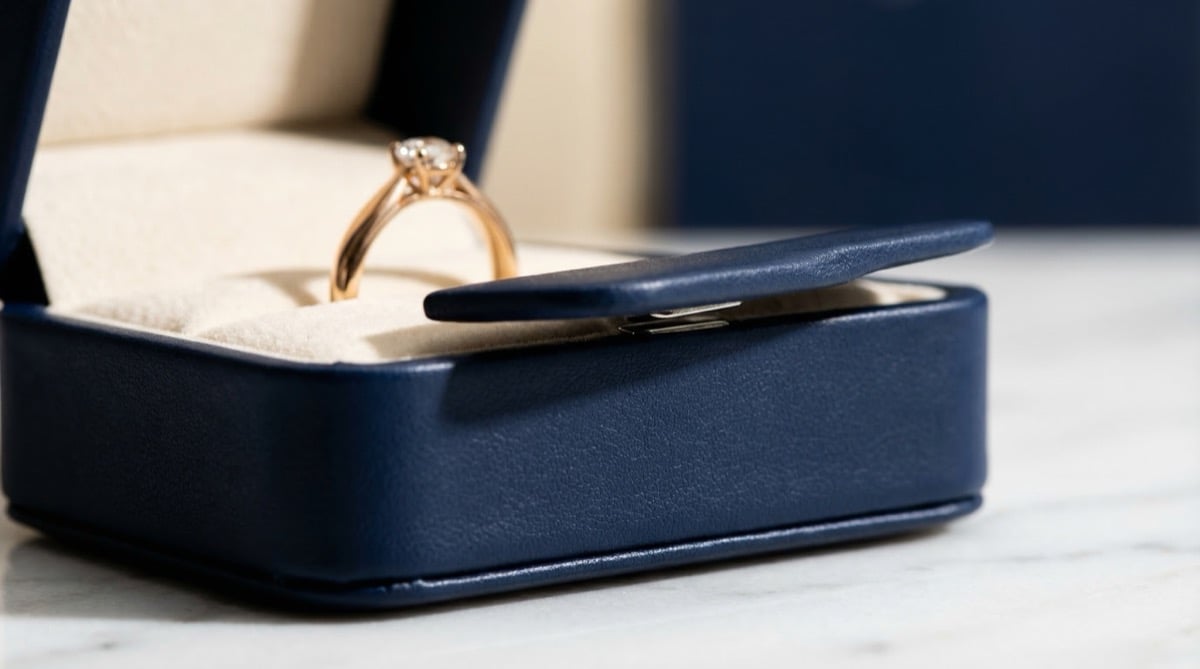
Why Magnetic Closure Has Become the Default
Custom magnetic closure jewelry boxes range from $3–$12 per unit at wholesale quantities and have become the preferred closure for over 80% of luxury and mid-market jewelry brands — replacing clasps, hinges, and snap closures with a clean, hardware-free design. Vela Packaging builds magnetic closure boxes in four styles — flip-top, clamshell, drawer, and collapsible — with concealed neodymium magnets and fully custom interiors starting from 300 units. This guide covers construction, types, materials, and how to choose the right magnetic box for your brand.
What Is a Magnetic Closure Jewelry Box?
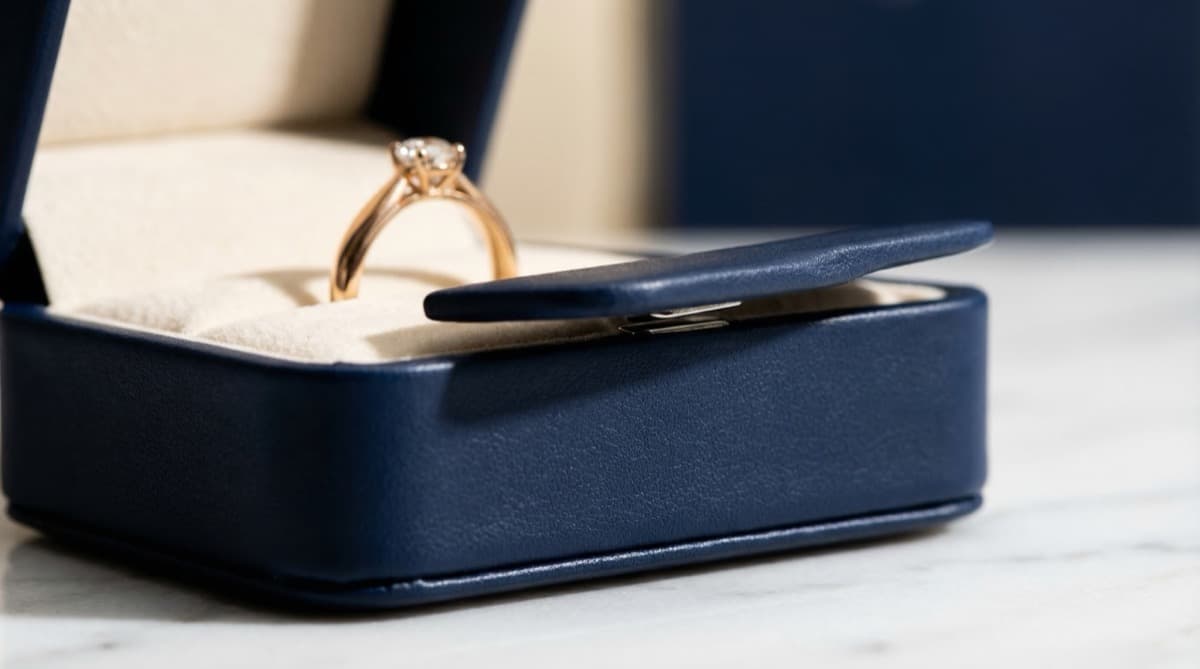
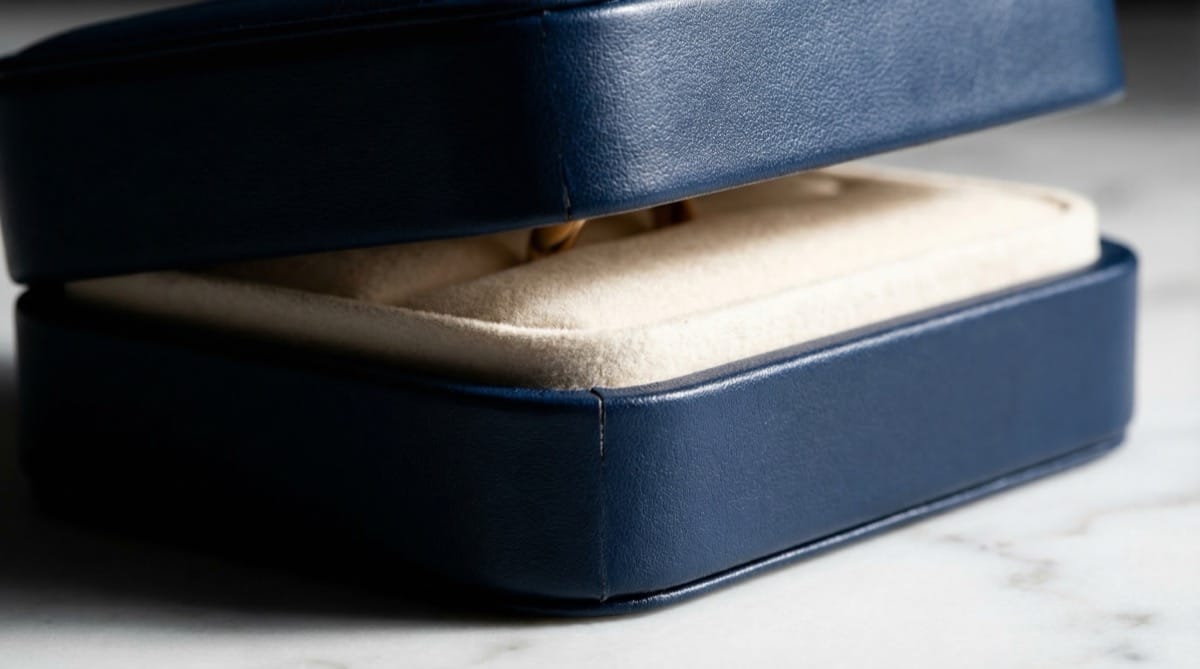
A magnetic closure jewelry box is a rigid box with concealed magnets — typically neodymium or ferrite — embedded in the lid and base. When the lid approaches the base, the magnets attract and snap shut with a clean, satisfying click. No visible hardware, no mechanical parts.
This distinguishes magnetic closures from snap closures (spring-loaded), clasps (external hardware), and hook systems (visible catches). The key advantage is aesthetic: the magnets are completely hidden beneath the wrapping material, preserving the seamless exterior that luxury packaging demands.
How Magnetic Closure Boxes Are Constructed
Structural Materials
The core of a magnetic closure box is greyboard or chipboard — rigid, compressed board typically measuring 2–3mm thick (800–1,400 GSM). This provides the structural integrity that gives the box its weight and solidity.
The board is wrapped with specialty materials: coated art paper, textured paper, linen, or fabric (genuine leather, velvet, or suede). A lamination layer — matte, gloss, or soft-touch — protects the surface and adds the final tactile quality.
The Magnet System
Neodymium magnets are the most common choice for luxury packaging. They are the strongest permanent magnets available for their size, providing a decisive snap that feels premium. Ferrite magnets are a more economical alternative for lighter-weight boxes or higher-volume orders.
Magnets are placed in the lid flap and corresponding base wall, then concealed beneath the wrapping material. Placement and strength must be calibrated to the box size — a large necklace box needs stronger magnets than a small ring box to provide the same satisfying closure.
Interior Construction
Interiors are built from EVA foam inserts covered with velvet, suede, satin, or silk. Die-cut compartments are shaped to hold specific jewelry types — rings, earrings, pendants, bracelets — with precision. Ribbon pulls allow easy jewelry removal. Pillow inserts cradle watches and bracelets.
The interior is where your customer's jewelry meets your packaging, so the material quality here matters as much as the exterior.
Types of Magnetic Closure Jewelry Boxes
Flip-Top (Book-Style)
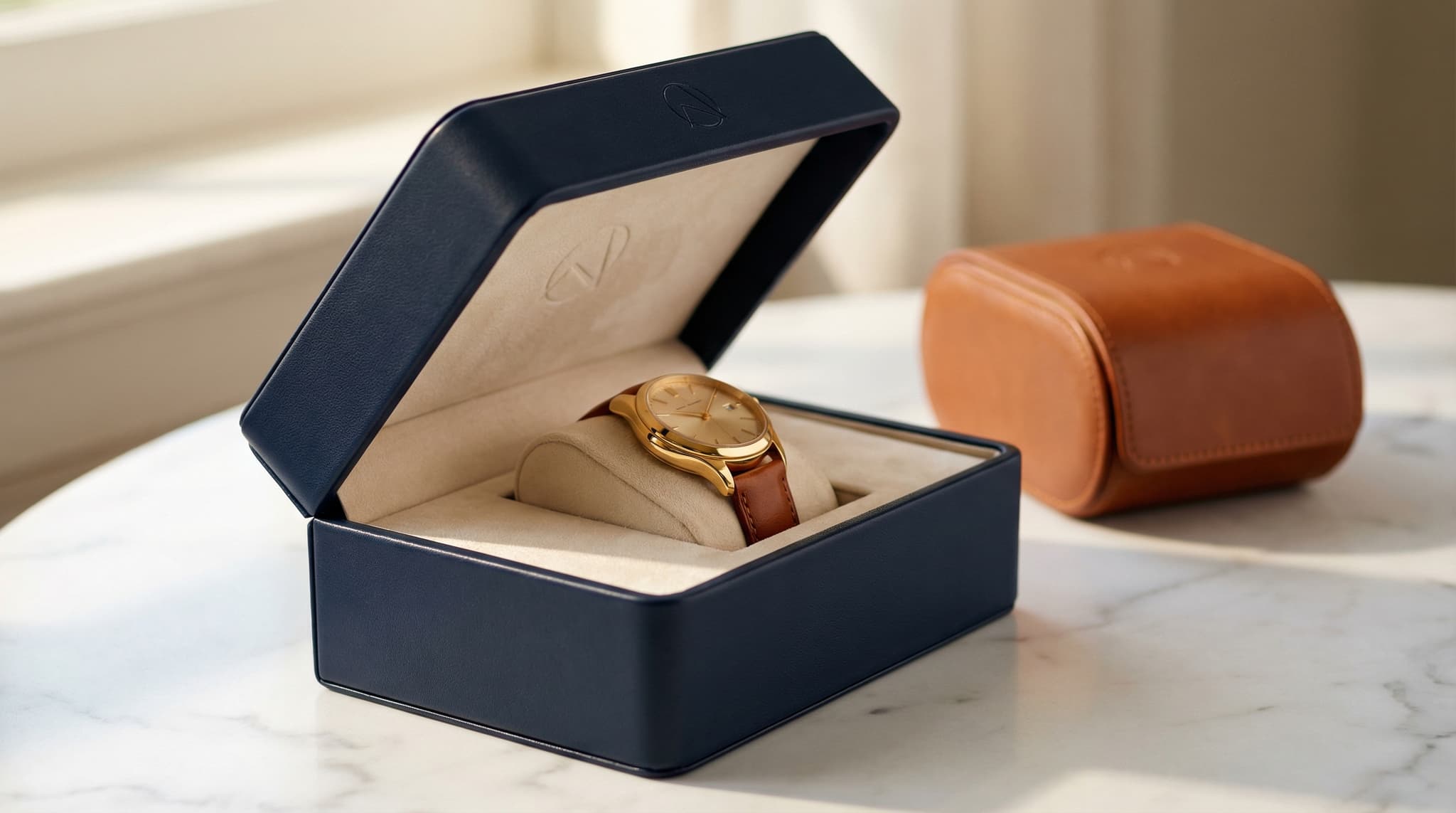
The most common form factor. The lid opens like a book cover, with the magnet on the front flap. This creates a full interior reveal — the entire contents are visible the moment the lid is lifted.
Best for necklaces, bracelets, and jewelry sets. The book-style opening provides the widest viewing angle and the most dramatic unboxing moment.
Collapsible (Flat-Pack) Magnetic Box
Ships flat and assembles in seconds using magnetic tabs. This reduces shipping and storage costs by up to 70% — a significant advantage for e-commerce brands managing inventory.
Best for DTC jewelry companies and brands that ship directly to customers. The assembled box is nearly as rigid as a fully constructed box, though slightly less so at the fold points.
Clamshell Magnetic Box
Opens along the full front edge, providing a wider opening angle than a flip-top. The magnetic closure runs along the entire front seam.
Best for statement necklaces, multi-piece jewelry sets, and retail display where you want the packaging to function as a presentation platform.
Drawer-Style with Magnetic Catch
A sliding drawer held shut by concealed magnets. Pulling the drawer open is the most interactive unboxing experience — the slow reveal builds anticipation.
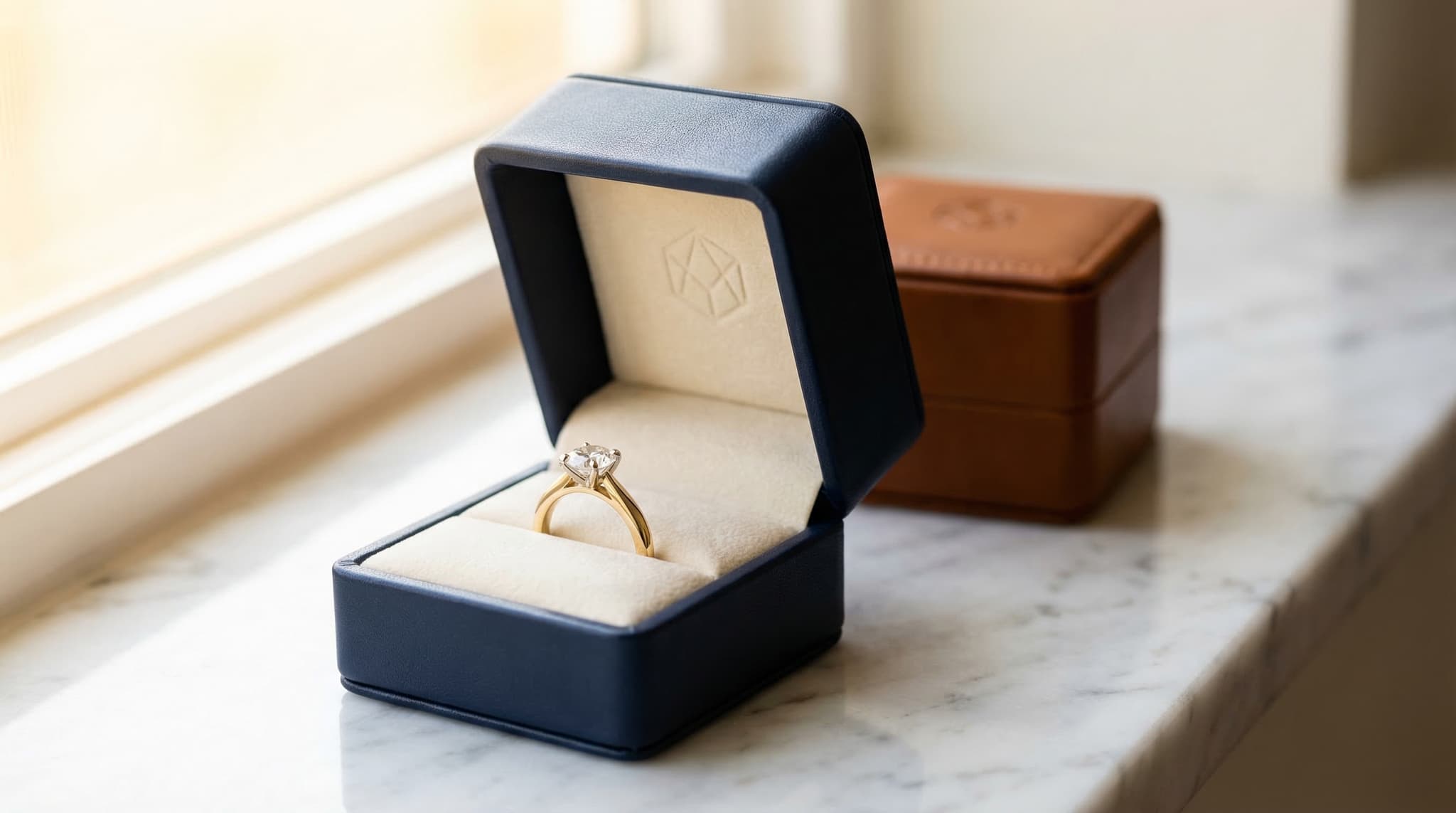
Best for high-end engagement rings and luxury gift sets where the presentation is as important as the product. The magnetic catch prevents the drawer from sliding open accidentally.
Magnetic Closure vs. Other Closure Types
Choosing a closure type is one of the most consequential packaging decisions. Here is how magnetic closures compare to the three main alternatives:
| Criteria | Magnetic | Hinged | Drawer | Snap/Clasp |
|---|---|---|---|---|
| Durability | 5+ years, no mechanical wear | 2–3 years, hinge fatigue possible | 3–4 years, track wear over time | 1–2 years, spring fatigue |
| Unboxing impact | High — satisfying snap | Medium — familiar, expected | High — theatrical reveal | Low — utilitarian |
| Perceived luxury | Very high | Medium-high | Very high | Medium |
| E-commerce suitability | Excellent — secure in transit | Good | Moderate — drawer can shift | Poor — can pop open |
| Retail display | Good — flat top for stacking | Limited — needs a prop | Excellent — stackable | Good |
| Cost per unit | $$ – $$$ | $ – $$ | $$$ – $$$$ | $ |
| Reusability | Excellent — no wear-out | Good | Excellent | Fair |
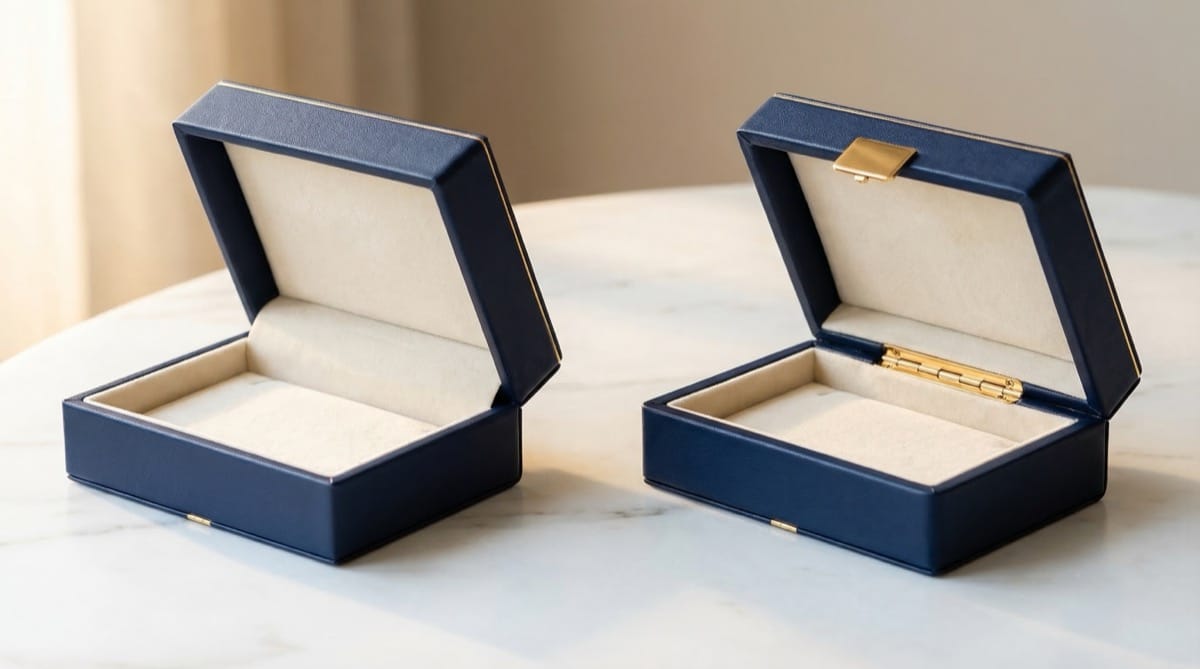
The key insight: magnetic closures hit the sweet spot of premium perception, durability, and e-commerce readiness. For brands that sell both in-store and online, they are the most versatile choice.
For a broader perspective on how closure type fits into overall packaging selection, see our guide to choosing premium jewelry packaging.
Customization Options
Magnetic closure boxes offer the full range of customization available across our custom jewelry boxes line:
Exterior branding: Embossing, debossing, foil stamping (hot foil in gold, silver, or custom Pantone colors), screen printing, and digital printing. For a detailed comparison of logo techniques, read our custom logo guide.
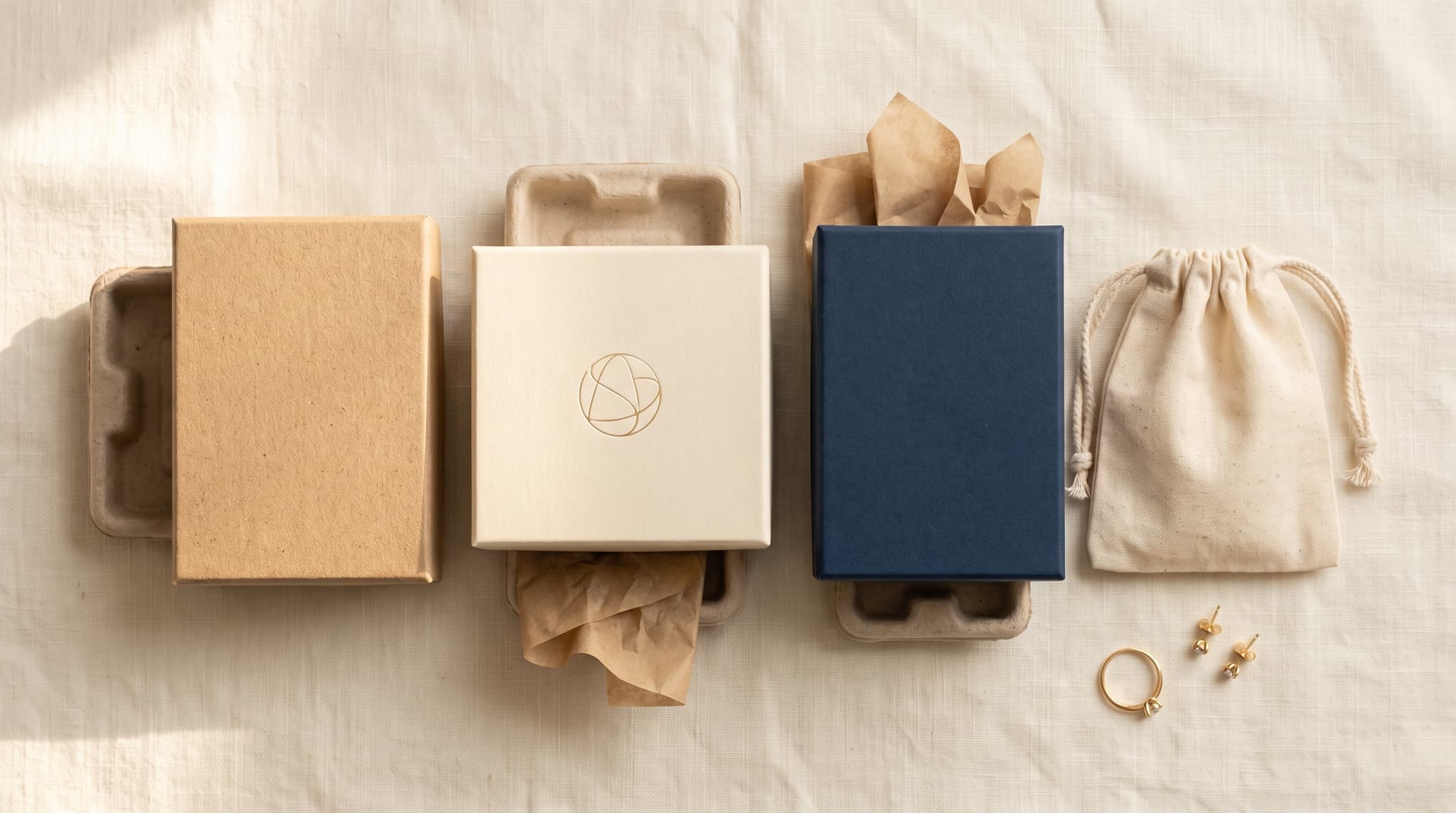
Material wrapping: Genuine leather, leatherette, velvet, textured paper, kraft paper, or linen. Each material changes the feel and positioning of the box dramatically.
Color matching: Full Pantone color matching ensures your brand colors are precise — on the wrapping, the interior, and the branding elements.
Interior: Custom foam inserts shaped to your jewelry, branded ribbon pulls, printed interior lid messaging, and custom-color linings.
Sizes: Fully custom dimensions to fit specific jewelry types. There is no reason to use a standard size when your jewelry deserves a box built to its exact measurements.
Typical MOQ for fully custom magnetic boxes is 300 units. For details on the ordering and production process, see our ordering guide.
When to Choose Magnetic Closure
Choose Magnetic When:
- Your retail price point is mid-range to luxury ($50+)
- You sell both online and in-store — magnetic boxes excel at both
- Your brand favors a clean, modern, minimalist aesthetic
- You want packaging that customers keep and reuse as jewelry storage
- You need secure transit packaging that does not require additional secondary packaging
Consider Alternatives When:
- Your volume is very high and cost per unit is critical — snap closures are cheaper
- You want a traditional or vintage aesthetic — hinged boxes suit heritage brands
- Your product is very large or heavy — drawer style may be more practical
- You are packaging for a one-time event — simpler construction may suffice
Sustainability
Magnetic closure boxes are more sustainable than many brands realize:
- Greyboard core is typically made from recycled fiber
- FSC-certified paper wrapping is widely available
- EVA foam inserts are recyclable; plant-based alternatives are emerging
- Neodymium magnets do not degrade and can be reused
- Collapsible designs reduce shipping volume and carbon footprint
For brands prioritizing environmental impact, explore our full range of sustainable packaging materials.
Frequently Asked Questions
How long do magnetic closure jewelry boxes last?
With normal use, five years or more. Neodymium magnets retain their strength for decades — the wrapping material will show wear long before the closure mechanism fails.
Can magnetic closures affect jewelry?
No. The magnets used in packaging are low-strength — sufficient to snap a lid shut, not strong enough to magnetize metals. They pose no risk to gold, silver, platinum, or gemstones.
What is the minimum order quantity for custom magnetic jewelry boxes?
Typically 300 units for fully custom designs (custom dimensions, material, and branding). Stock sizes with logo-only customization may have lower MOQs.
Are collapsible magnetic boxes as sturdy as rigid ones?
Nearly. Collapsible boxes use the same greyboard and magnet system but incorporate scored fold lines. They are slightly less rigid at the fold points but equally secure once assembled — and they reduce shipping costs significantly.
How much do custom magnetic closure jewelry boxes cost?
Pricing depends on size, material, quantity, and customization level. Fully custom rigid magnetic boxes for jewelry typically range from $3–$12 per unit at wholesale quantities. For an accurate quote based on your specifications, request a custom quote.
The magnetic closure box is not just a packaging format — it is a brand experience. The weight of the box, the precision of the closure, the moment of the snap — these details communicate quality before the jewelry is ever seen.
Get a custom quote for magnetic closure boxes tailored to your brand, or see how our process works from design to delivery.